


A journey into the authentic
Quality experiential tourism does not look for attractions to tick off a list. It looks for smells, sounds, gestures. The scent of Cremonese varnish on a violin. The dull red of freshly thrown Faenza clay. The hiss of the Murano furnace at seven in the morning. The cold of marble under the fingers of someone cutting a mosaic tile in Rome. This itinerary is built for those who want to stop looking at Italy and start touching it.
01 - Cremona
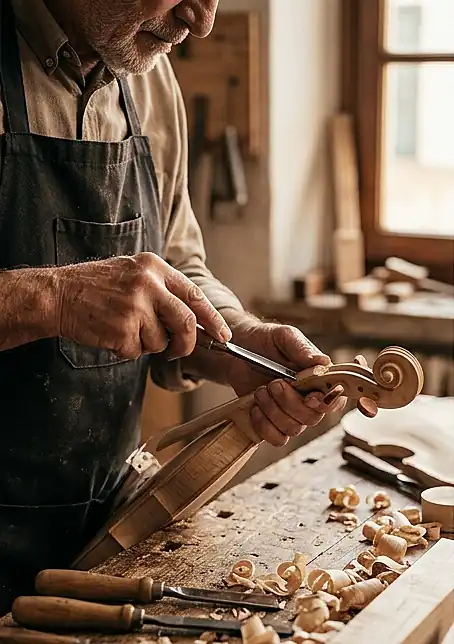
Stepping into a Cremonese luthier's workshop is like crossing a threshold in time. Not because it is old - it is often entirely modern - but because the master's gesture of measuring an spruce plank with a caliper is identical to the one Stradivari performed three hundred and fifty years ago, in an alley two hundred metres from here.
Cremona does not merely preserve the memory of the great violin makers. It still produces them: over one hundred active workshops, most run by craftspeople under forty who chose this path against the current, often leaving university and careers elsewhere. Their raw material - resonance spruce from Trentino, Bosnian maple - is tested by ear before any instrument is used. In this city, sound is a unit of measurement.
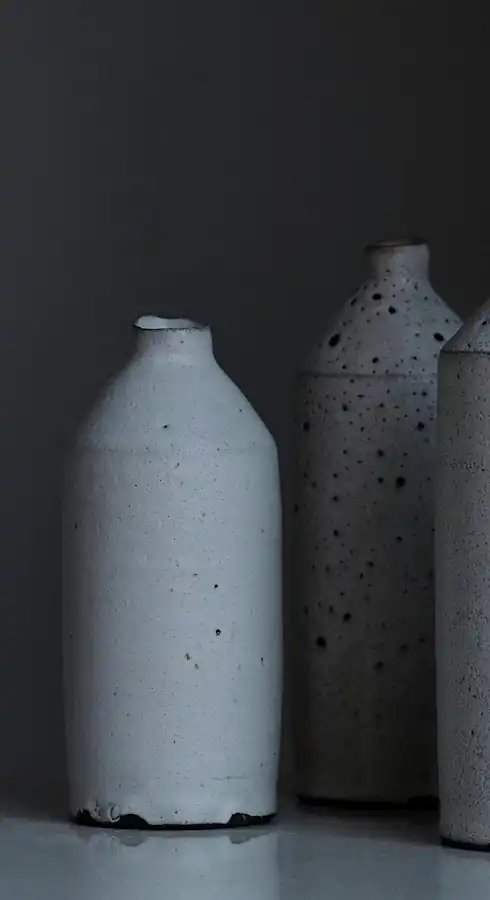
Every language has a word for tin-glazed earthenware: faïence in French, Fayence in German, faience in English. They all come from Faenza - a city of just over fifty thousand people in the heart of Emilia. It is one of the most silent linguistic conquests in history: no armies, no diplomacy. Just clay, white glaze and colours the European courts had never seen before.
Today the workshops of Faenza are not merely surviving - they are thriving. The tradition has evolved without betraying itself: the geometric and floral designs of the fifteenth century coexist with contemporary interpretations that reach design galleries across the world. Many craftspeople welcome private visitors and offer hands-on sessions - in two hours you decorate a plate or a tile, you understand how difficult it is, and you never call quality ceramics "a nice souvenir" again.
03 - Murano, Venice
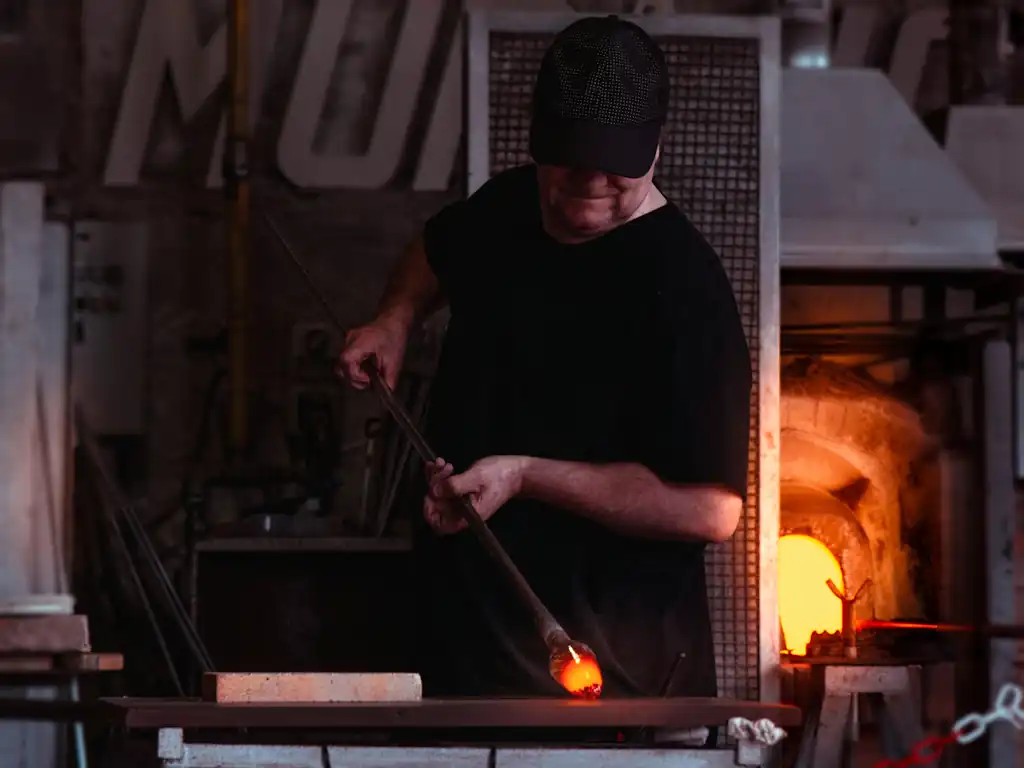
In 1291, the Great Council of the Serenissima issued a decree ordering the transfer of all glassblowing furnaces to the island of Murano. The official reason was the fire risk in the lagoon. The real reason, which no one wrote down but everyone knew, was simpler: Venetian glass was worth as much as gold, and its secrets could not be allowed to escape.
Murano's master glassblowers were effectively luxury prisoners: they lived with the privileges of noblemen, could carry a sword, and gave their daughters in marriage to Venetian patricians. In exchange, death was the penalty for anyone who taught the techniques to foreigners. Today those secrets no longer exist - but watching a master gather a glowing bubble of molten glass and in six minutes shape it into a form that seems impossible, you understand why they guarded them so fiercely.
04 - Florence, Tuscany
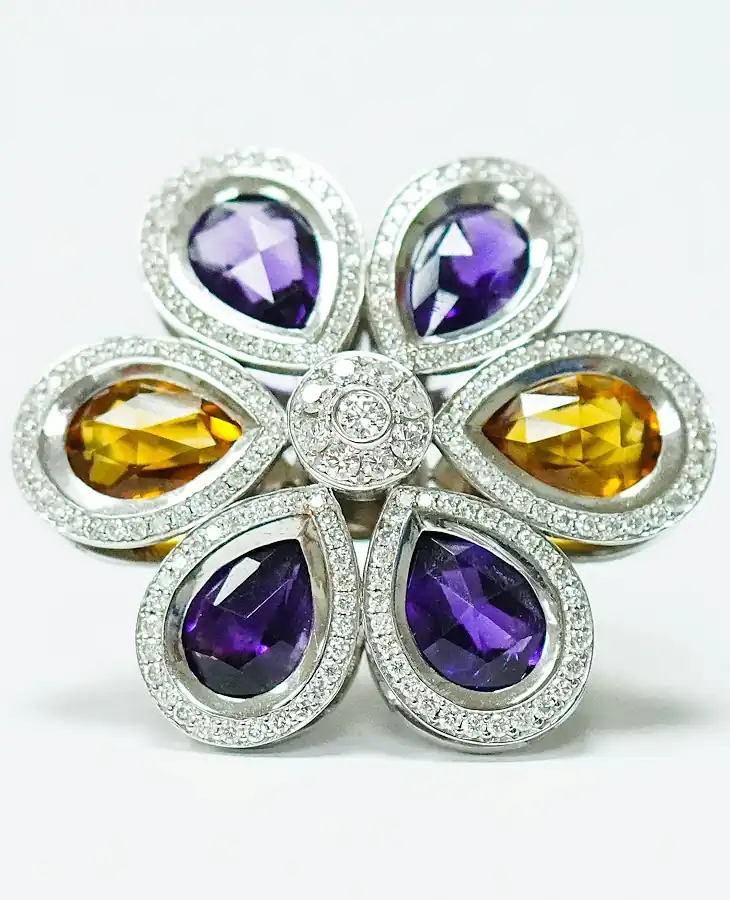
The Ponte Vecchio is one of the most photographed bridges in the world, yet almost none of the tourists crossing it ever asks why there are goldsmith workshops right there, exposed to the damp of the Arno. The answer goes back to 1593, when Ferdinando I de' Medici expelled the butchers and fishmongers to make way for jewellers - deemed more worthy of the view from the Vasari Corridor running above their heads.
The San Lorenzo district is where today's craftspeople work - those who do not have the postcard prices of the Ponte Vecchio but have the same hands. Here you find engravers, chasers, gem cutters working Tuscan red garnet, goldsmiths specialising in niello - a medieval technique that inlays metals with dark oxides, almost extinct everywhere else. Some workshops welcome visitors by appointment: every phone call is worth making.
05 - Rome
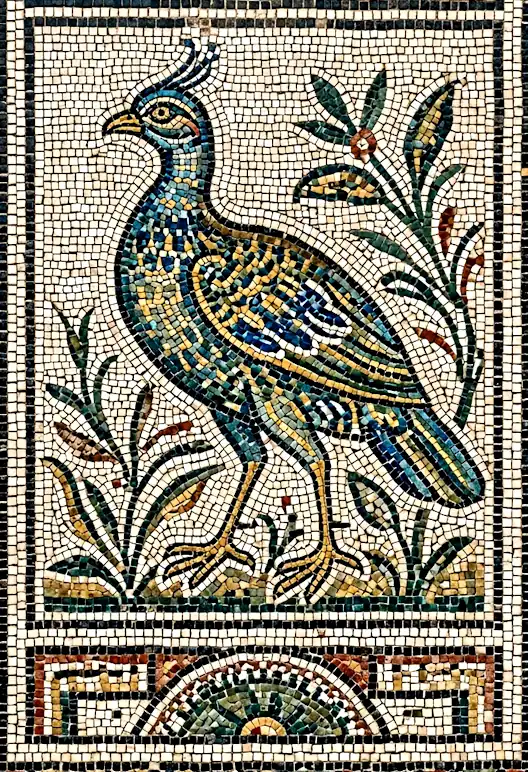
In 1578, Pope Gregory XIII decided that the new Basilica of Saint Peter would have no paintings on its walls: only mosaics. It was a technical choice before an aesthetic one - paintings deteriorate, mosaics last for millennia. To create them, he brought Rome's finest Venetian masters, who taught their techniques to a first generation of Roman mosaicists. That decision gave birth to the Vatican Mosaic Studio, which still today - four hundred years and forty popes later - manages and restores the ten thousand square metres of mosaic surfaces in Saint Peter's Basilica.
The Roman mosaic tradition does not live in the Vatican alone. In the eighteenth century, Giacomo Raffaelli and Cesare Aguatti invented filato micromosaic - tesserae as thin as glass threads, capable of reproducing miniatures of extraordinary precision - which became the souvenir of choice for Grand Tour travellers across Europe. Today workshops such as Studio Cassio on Via Urbana and the Res Musiva atelier carry this dual legacy forward. Many offer hands-on sessions: two hours, a fragment of marble, a small hammer, and the discovery that cutting a straight tessera is far harder than it looks.
06 - Naples
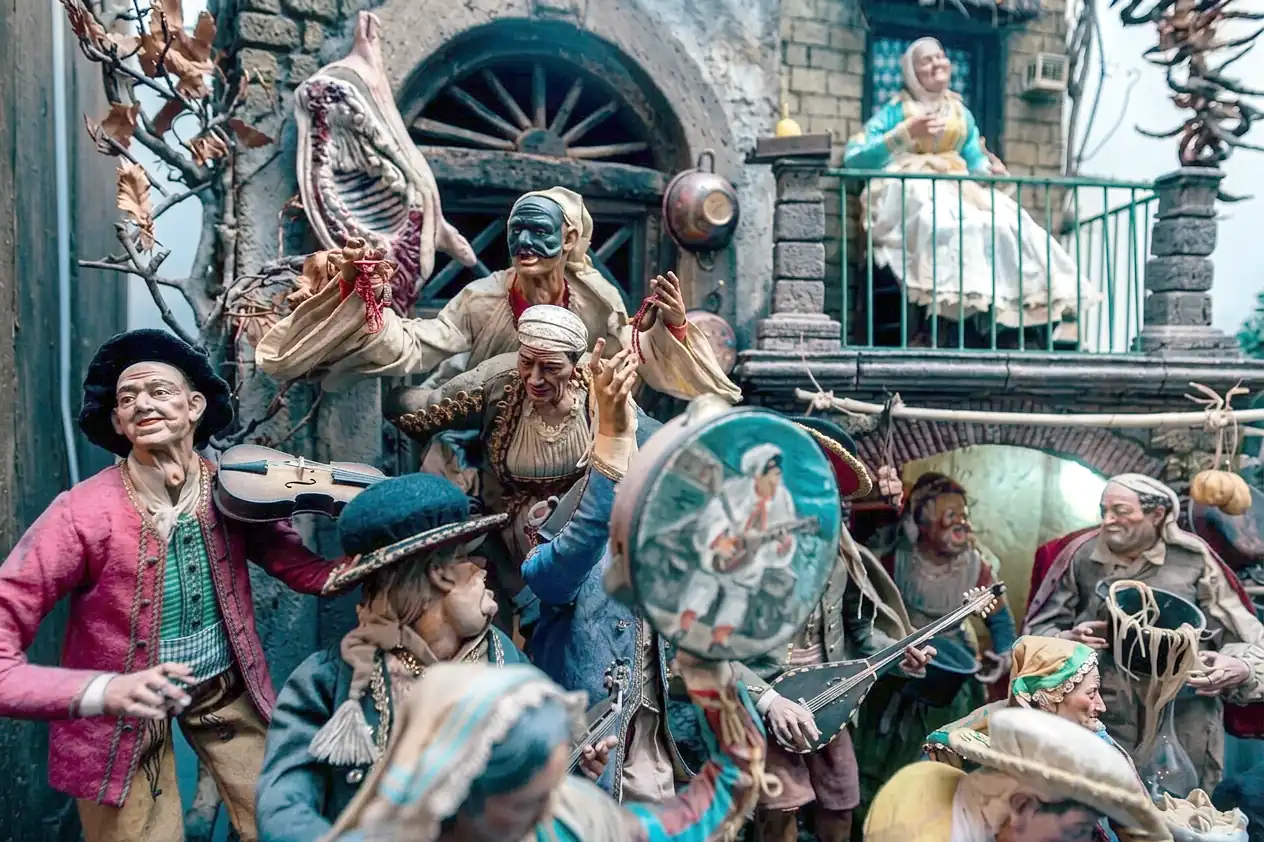
Via San Gregorio Armeno is one hundred and eighty metres long. That is all. Yet every year it draws millions of people from every corner of the world - not only at Christmas, as is commonly believed, but all year round. Because Neapolitan figurines are not souvenirs. They are hand-painted terracotta sculptures, standing between three and thirty centimetres tall, with fabric costumes sewn thread by thread, expressions that vary from piece to piece. Each figure requires an average of ten separate crafting stages. Some families have been making them without interruption since 1700.
The Ferrigno workshop has existed since the eighteenth century and even today, in the fragrant half-light of glue and paint, three generations work side by side. Di Virgilio has carried the same name above its door since 1830. Bottega Capuano since 1840. These are not museums: they are living workshops where, with advance booking, you can watch the complete process from raw clay to finished figure - and where the master tells stories of the Neapolitan alleyways that no guidebook has ever recorded.
"Every Italian artisan object carries within it a quantity of human time that no price can truly express. This is not nostalgia - it is a different, slower and more honest way of giving shape to the world."
- Argiletum Tour StaffBefore you go
Argiletum Tour designs private itineraries that include visits to artisan workshops with privileged access, specialist local guides and dedicated transfers from north to south of the peninsula.
Request your private itinerary Back to the Magazine