Guide to the True City

Secret Naples

Underground archaeology · Spanish Quarters · New culinary scene
Why Naples Now

Naples is the most layered city in Europe - literally, not as a metaphor - and its underground holds 2,400 years of intact history.

If you have already visited Rome and Pompeii, you know the Italy of grand narratives. Now you are ready for something rawer and more authentic: the Naples that cannot be photographed in five minutes, the one you discover by going underground, turning the right corner, sitting down at a table that does not yet exist in any printed guidebook.

Between 2022 and 2025, the gastronomic scene in the Spanish Quarter grew significantly - not international chains, but small independent kitchens working with short-supply-chain Campanian ingredients. Above ground and below, the city is changing.

south italy archaeology food & wine culture private tour

Naples is built upon itself. The Greeks laid the foundations in the 7th century BC. The Romans built their own city on top without demolishing what came before. The Christian Middle Ages added churches, the Spanish 17th century the workers' quarters, the Bourbon 18th century the theatres and the royal palace. Every era that followed continued in the same way: above, around, within.

The result is a city that never decided to become a monument. It is still alive, noisy, contradictory - and precisely for this reason it is the most honest city in Italy.


Underground The City You Cannot See

-5 m
Modern era (18th-20th century)
Foundations of Neapolitan buildings, utility pipes, World War II air-raid shelters
-20 m
Roman (1st century BC - 4th century AD)
Roman aqueduct, shops, forum of Neapolis, theatre where Nero performed in 64 AD
-35 m
Greek-Samnite (5th-2nd century BC)
Original tuff quarries, the city's first water network, foundations of the agora
-40 m
Volcanic bedrock
Yellow Neapolitan tuff - the material with which the city built itself over two thousand years

Naples Underground: the Greek-Roman labyrinth

A few steps from Piazza San Gaetano - the exact point where the heart of Greek Neapolis once beat - you descend into a world that most Neapolitans have never visited. The underground galleries were originally tuff quarries, the building material the city used to construct itself for centuries. The Greeks dug them to extract stone, the Romans turned them into an aqueduct capable of supplying the entire city, and the Allied bombings of 1943 turned them into shelters for thousands of civilians.
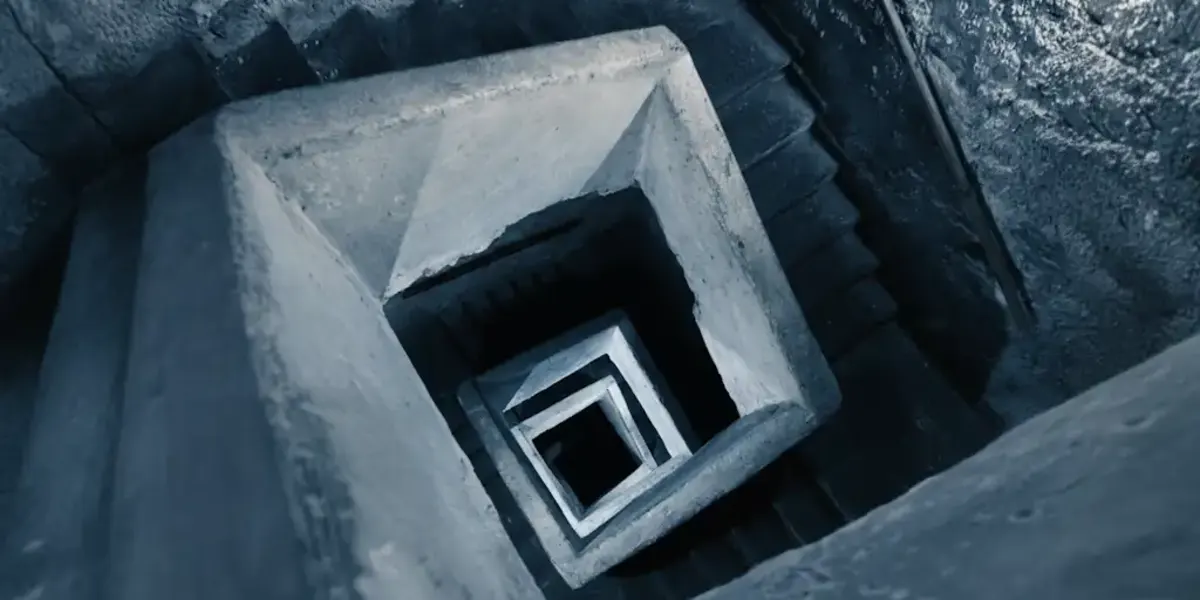
Underground tunnels of Naples
Naples Underground

At forty metres below ground you walk through tunnels that change shape and meaning at every turn. One wall bears the marks of a Greek pickaxe. The one beside it shows calcite traces left by water during centuries of use as a cistern. Further on, a wide low room preserves the graffiti of those who slept there during the air raids - names, prayers, drawings by children.

The route also passes under the Roman theatre where Nero performed in 64 AD - an episode documented by Suetonius. Of that theatre, the Neapolitans living above know almost nothing. They drive over it every morning.

💡 Private tour vs group: the standard visit lasts around 80 minutes. With a private guide it extends to 2-3 hours with access to sections normally closed to the public. The difference is substantial. Entrance from Via dei Tribunali, 294.

The Catacombs of San Gennaro: the largest city of the dead in the Mediterranean

From the historic centre you climb towards the Rione Sanità. Here, in the 4th century, the Christian community of Naples opened the catacombs that would become the main burial site for all of southern Italy. The complex spans two interconnected levels: the first holds pagan tombs later incorporated into Christian worship; the second, built around the body of the martyr Gennaro, preserves frescoes and mosaics from the 5th and 6th centuries of unexpected quality.
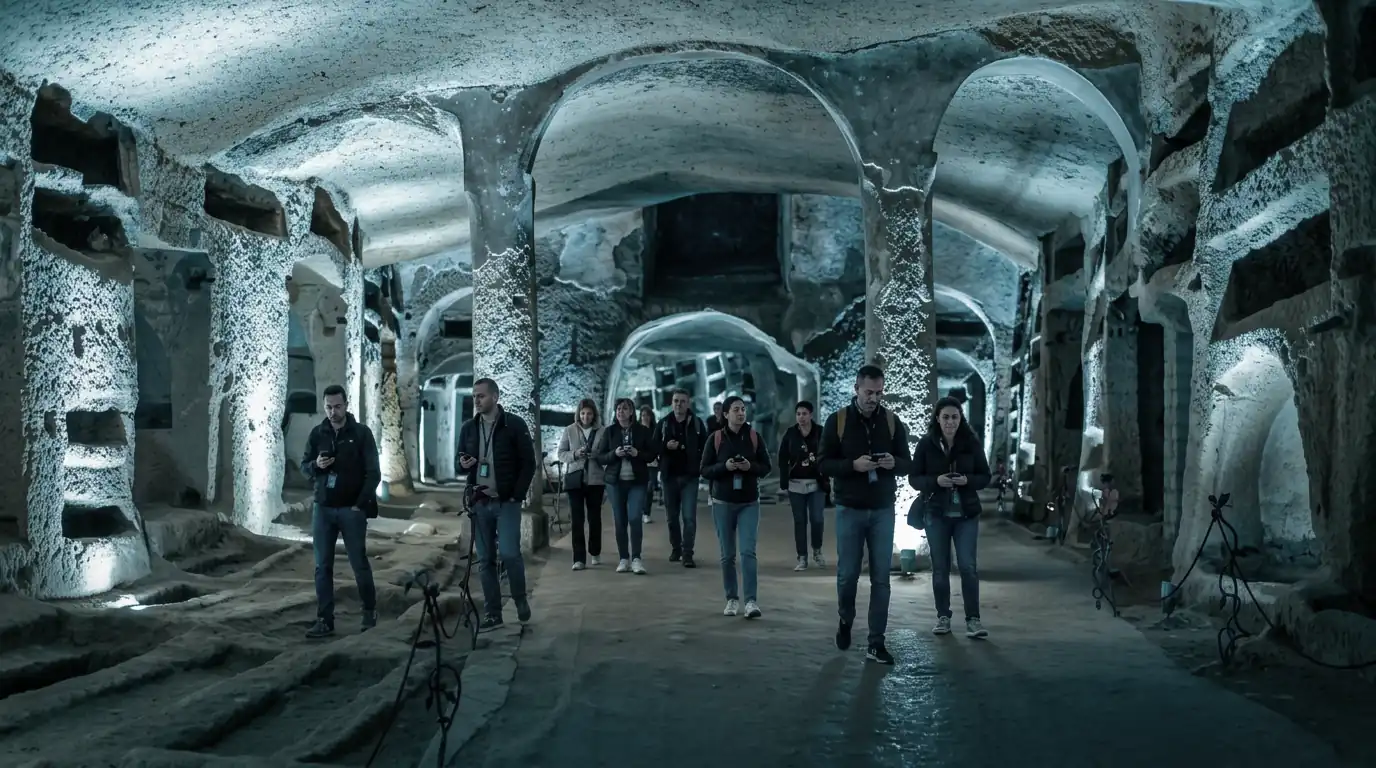
Underground tunnels of Naples
Naples Underground - Catacombs
I
Crypt of the Bishops

Funerary portraits from the 5th-6th century whose pictorial quality rivals the contemporary mosaics of Ravenna. Visited by only a few hundred people a year - one of Naples' best-kept secrets.

4th - 6th century AD
II
Basilica of Santa Maria della Sanità

Open onto the cloister and side chapels, included with the Catacombs ticket. One of those Neapolitan places that never ends up on a poster, but no one who sees it ever forgets it.

Included with Catacombs ticket
III
La Paranza Project

The social enterprise that runs the Catacombs with guides from the neighbourhood itself. This is not folklore - it is concrete urban regeneration. Ask your guide how the model works: it is a story worth as much as the mosaics.

Social enterprise, Rione Sanità

Catacombs of San Gennaro - Tickets & Access

Guided entry - adults €13 booking recommended
Closing day Wednesday + 25 December
How to get there Metro L1 - Museo stop + 20 min walk
By bus Lines 168 / 178 / C63 / R4 from the port area

Above Ground The Spanish Quarter Reinvents Itself

The Spanish Quarter was born in the 16th century as a military solution: housing for the viceroy's soldiers, built hastily across a grid of narrow alleys between via Toledo and the hill of San Martino. That separation left a mark on how the neighbourhood was perceived for centuries. Today that perception is being rapidly revised.
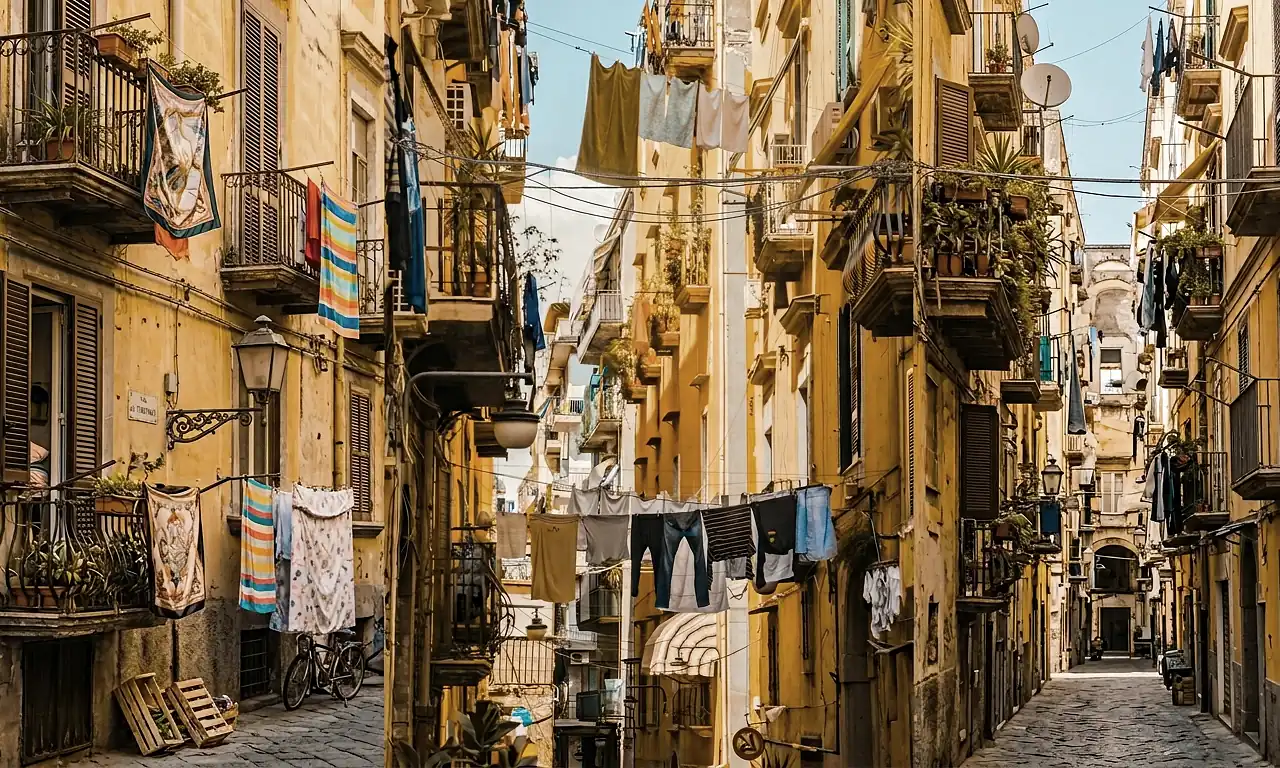

Spanish Quarter, Naples
The Spanish Quarter, Naples

FOQUS and Quostro: when cooking is a cultural act

Inside the FOQUS complex - a former Franciscan convent converted into a cultural hub in the heart of the Quarter - chef Francesco Frascione and Mario Celotto have opened Quostro, a bistrot with the rare ability to be contemporary without being bored by itself.

The menu follows the seasonality of Campanian producers. The technique is there but does not show off. The result is a cuisine that knows where it comes from and where it is going - two things that do not always coincide in Italian research restaurants. Quostro also hosts evening events such as the StarSupper format, dinner-meetings between food professionals who use the table as a space to talk about Naples and its urban transformation.

Booking dinner at Quostro the evening before descending into the Catacombs creates an inadvertent narrative thread: the city built upon its own roots, in depth as in surface.

The former Mercato di Sant'Anna: the neighbourhood's next chapter

A short distance from via Toledo, the former Mercato di Sant'Anna - a historic building at the heart of the Quarter - is being redeveloped as a multifunctional space dedicated to food, craftsmanship and local culture. The project includes an indoor square with selected Campanian producers, artisan workshops, an exhibition space for local artists and a kitchen bar.

⚠️ Worth verifying: the project was announced in spring 2025. Before including this stop in your client's itinerary, check the current status of the works.

Archaeology The Forum Hidden in Plain Sight

Before or after going underground, stop at Piazza San Gaetano. What looks like a busy crossroads in the historic centre is in fact the surface projection of the ancient Greek agora, later the Roman forum. The remains of the forum of Neapolis can be visited beneath the Basilica of San Lorenzo Maggiore: a four-level underground route exposes the city's stratification from the Hellenistic to the Roman age, with intact shops and public structures.

Outside, the butchers and the scooters complete the picture: the overlapping of eras in Naples is not in the museums. It is in everyday life.
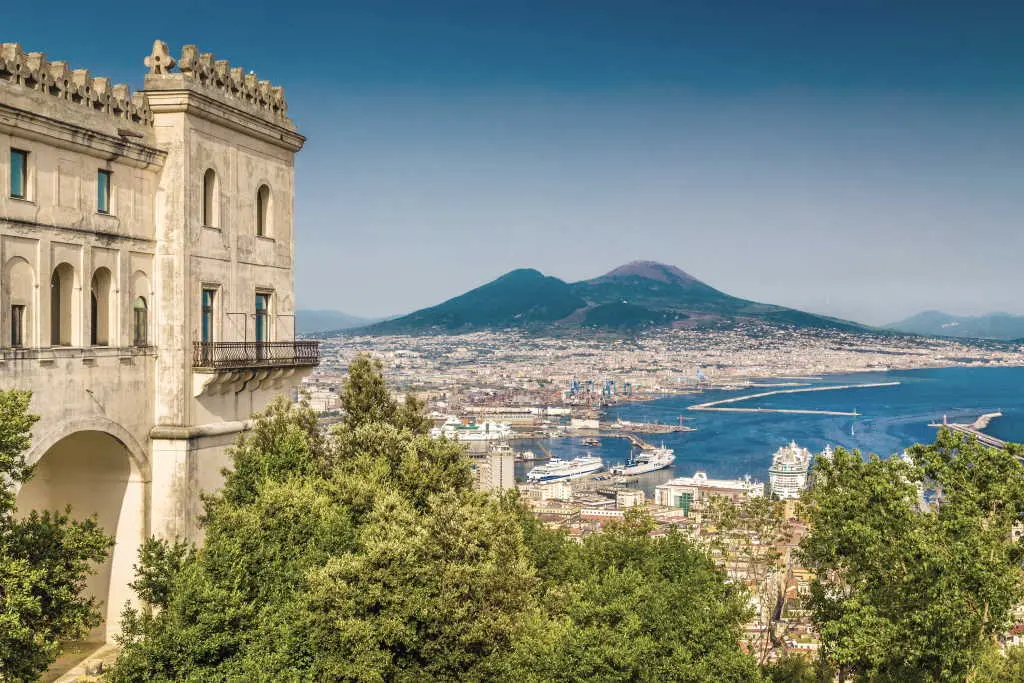

Naples and Vesuvius
Naples

Itinerary Two Days in Naples

Day 1 - The Underground World

09:30
Breakfast in Via dei Tribunali
Espresso, sfogliatella riccia, local pastry shop
10:30
Naples Underground - private guided visit
Via dei Tribunali, 294 - 2/3 hours with private guide
13:30
Lunch in the Rione Sanità
Pasta e fagioli, salt cod - neighbourhood trattoria
15:30
Catacombs of San Gennaro + Basilica of Santa Maria della Sanità
Rione Sanità - guided tour 1 hour
17:30
Walk through the Rione Sanità
The neighbourhood that reinvented itself
20:30
Dinner at Quostro - Spanish Quarter
FOQUS, Via Portacarrese a Montecalvario 69 - reservation advised

Day 2 - Surface & Discovery

09:00
Piazza San Gaetano + Excavations of San Lorenzo Maggiore
The Greek-Roman forum beneath the modern city
11:00
Cappella Sansevero - the Veiled Christ
Via Francesco De Sanctis - advance online booking mandatory
13:00
Lunch at Pescheria Mattiucci
Raw seafood, mixed fried fish
15:00
Spanish Quarter + former Mercato di Sant'Anna
The neighbourhood's emerging food hub
17:00
Castel Sant'Elmo
Panoramic view over the Gulf of Naples and Vesuvius
20:00
Pizza at Concettina ai Tre Santi
Rione Sanità - gourmet pizza in the neighbourhood you already love

Practical Getting There & Where to Stay

From Rome to Naples

🚄
Frecciarossa - Roma Termini › Napoli Centrale
Recommended option. No parking stress, no city traffic. You arrive directly in the heart of Naples.
1h 10min
from €19
🚗
Private car - Motorway A1 / A3
Around 2h30 under normal conditions. Recommended only if you plan to explore the Vesuvian area or the Amalfi Coast independently. Parking in the historic centre is not advised.
~2h 30min
tolls + parking

Where to Stay

Grand Hotel Vesuvio
On the Lungomare Caracciolo seafront, with a direct view of the Gulf. A historic landmark of the city, frequented by Hemingway and Rita Hayworth. Breakfast on the terrace alone is worth the stay.
Classic luxury · Seafront
🏛️
Romeo Hotel
Contemporary design by Kenzo Tange near the harbour. Michelin-starred restaurant, spa with harbour views, strategic location for exploring both the historic centre and the seafront.
Contemporary design · Harbour
🏰
Palazzo Caracciolo
A 16th-century noble palazzo in the historic centre, with an interior courtyard and authentic atmosphere. Five minutes on foot from both Spaccanapoli and the Spanish Quarter.
Historic palazzo · City centre

Tips Before You Go

Book in advance

  • Cappella Sansevero online tickets (sells out fast)
  • Catacombs of San Gennaro, especially on weekends
  • Quostro - at least 3 days ahead
  • Frecciarossa train - book early for the best fares

Good to know

  • The Catacombs are closed on Wednesdays
  • Naples Underground: constant temperature 15°C - bring a layer
  • Comfortable shoes are non-negotiable: the old cobblestones are treacherous
  • Driving in the historic centre: just don't

Plan Your Naples Trip with Argiletum Tour

Private tours and tailor-made stays in Naples and southern Italy. From a day trip from Rome to a week-long itinerary covering Naples, Pompeii, the Amalfi Coast and Paestum. Every journey is built around your specific traveller profile.

Our tours in Naples and surroundings

Related Articles

Pompeii & Herculaneum

Tourist Guide 2026

Complete Guide to Traveling in Italy

A complete guide for travelers embarking on a journey in Italy