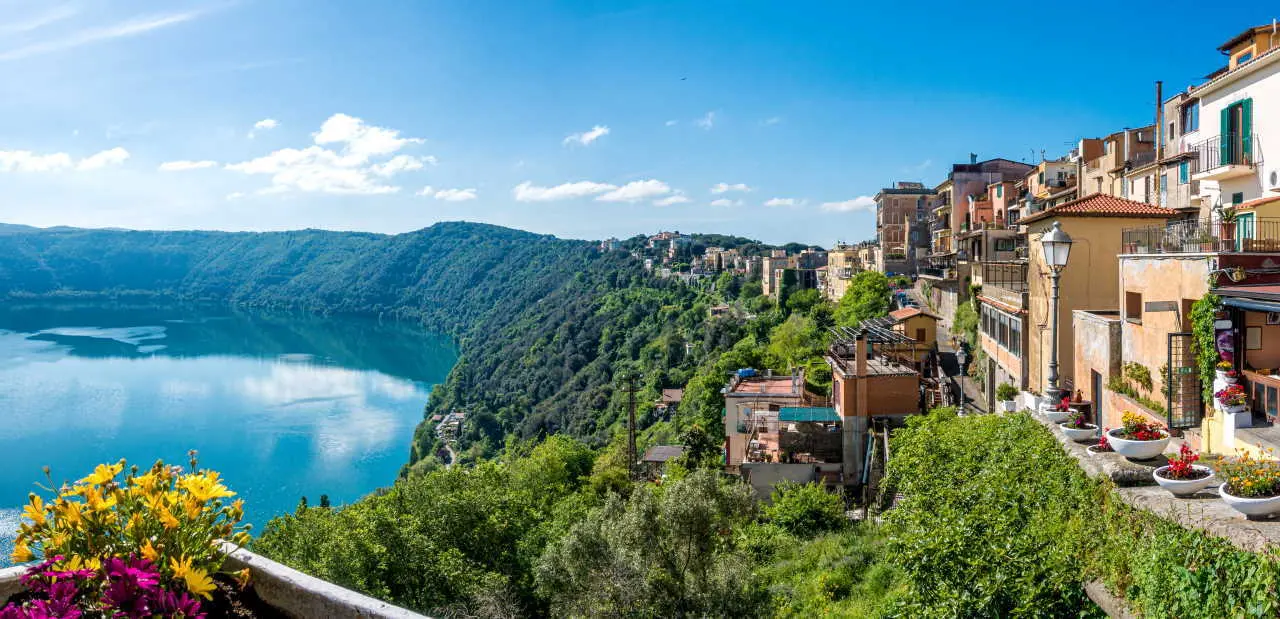
The Roman Castles, also known as the “invisible castles”, are historical places located near Rome, famous for their scenic beauty and gourmet food and wine tradition. Despite their rich history and natural attractions, these places often go unnoticed due to Rome’s extraordinary artistic wealth.
The very birth of Rome is linked to the events of Alba Longa, probably the current Castel Gandolfo, founded by Ascanio, son of Aeneas and Creusa in 1230 BC.
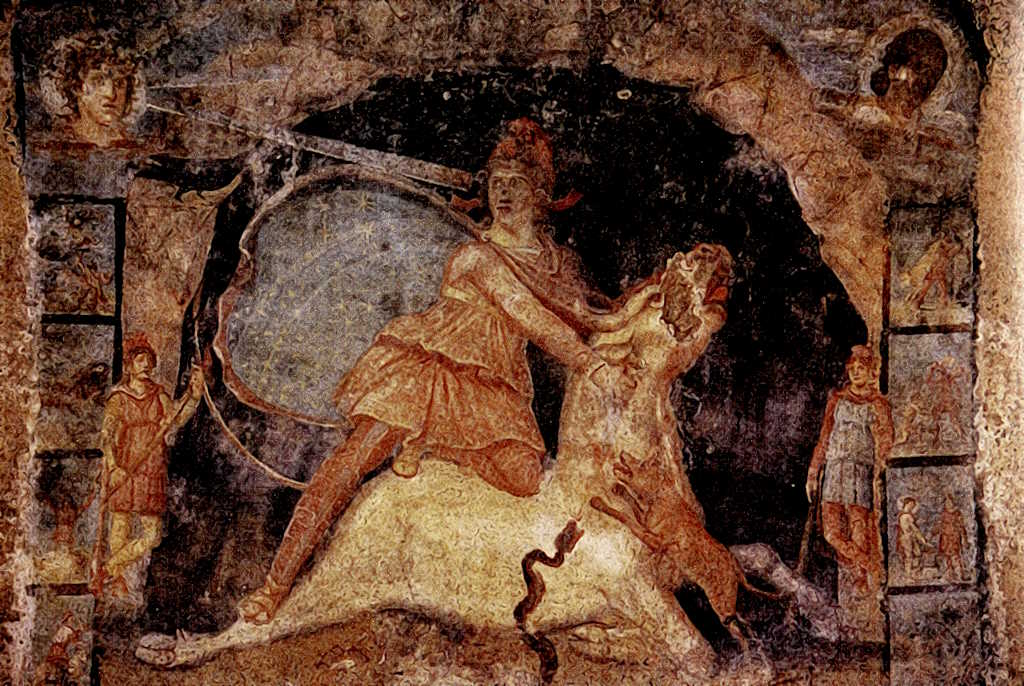
During Roman times, the area was crossed by the consular roads Latina and Appia and was dotted with splendid villas of wealthy Romans who spent time there practicing the noble art of otium. Famous villas such as Domitian’s in Albano, and those of Cicero and Pompey the Great also stood in this area. In earlier times, the Latin peoples met in assembly in the Ferentino forest near Marino, worshipped Jupiter Laziale in his temple on the summit of Mount Cavo, and celebrated a primordial and cruel rite in the sacred forest of the goddess of the hunt and the moonlight, Diana. Meanwhile, in dark Mithraeums starting from the 1st century BC, the god Mithras was worshipped. Along the consular roads, there were tombs and mounds including the famous one known as the Horatii and Curiatii in Albano, still visible today. During Christian times, catacombs were excavated, such as those in the location of Decimum or in Albano.
The Roman Castles area in Lazio is renowned for its beautiful small towns, rather than castles and mighty walls one might expect from the name. These towns are scattered over a volcanic area, sometimes separated by chestnut forests and dense vegetation, sometimes flowing continuously into each other. Some stand alone atop a dormant volcano. The name “Castelli” (Castles) derives from the villages which developed around the palaces and villas of the Popes and wealthy patrician Roman families who chose these pleasant places for their holiday residences. However, after Italian unification, the term was employed only for the area of the Colli Albani and Laziali hills with their distinctive geography. In the Middle Ages, true castles were strategically situated to control southern Lazio and communication with the Kingdom of Naples. These castles were augmented by the surrounding communes, which gained autonomy over time.
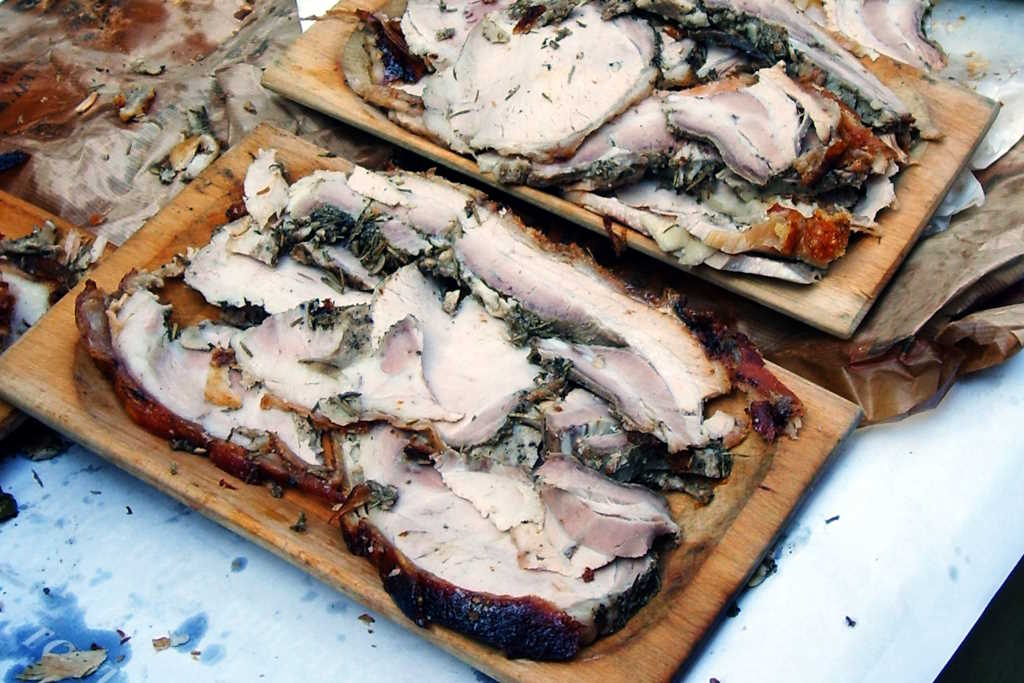
The natural beauty, fresh air, famous wine, and local culinary delights such as porchetta make this area a magnet for painters and writers. Behind the sometimes inaccessible thick walls, hidden beauty can be explored, including silent woods, historical ruins, noble palaces and ancient paintings. These “Invisible Castles” await the curious visitor who seeks to discover them.
Montecompatri – Monte Porzio Catone – Colonna – Rocca Priora
From Rome, this itinerary goes through the picturesque towns of the Roman Castles. Montecompatri is surrounded by vineyards and olive groves and is home to the church of Santa Maria Assunta. The sanctuary of San Silvestro is also located there. Monte Porzio Catone is famous for its parish church of San Gregorio Magno and the beautiful view from the main square. The route continues to Colonna, with its church of San Nicola and a unique font. Finally, Rocca Priora is reached, the highest castle with a medieval appearance.
Frascati – Grottaferrata – Rocca di Papa – Nemi – Lariano
Frascati is famous for its fresh water and the archaeological remains of Tusculum. Grottaferrata is linked to the abbey of San Nilo and the Church of Santa Maria with 12th-century mosaics. Rocca di Papa offers a panoramic view of the valley up to Rome. Nemi is a pretty village on the lake with a museum of Roman ships. Lariano is known for its forestry industry.
Velletri – Lanuvio – Genzano – Ariccia – Albano – Castel Gandolfo – Marino
The itinerary begins in Velletri, the largest town in Castelli Romani. It continues through Lanuvio, linked to the cult of Juno Sospita. Genzano is famous for the Infiorata and homemade bread. In Ariccia, there is the Court Square designed by Gian Lorenzo Bernini and a famous viaduct. Albano is rich in ancient memories, including the amphitheater of Castra Albani and the Civic Museum. Castel Gandolfo is home to the Popes’ residence and the garden with the remains of Diomiziano’s villa. Marino is known for the Fountain of the four Moors.
The eno-gastronomic history of the Roman Castles and its culinary tradition has been influenced by centuries of peasant and aristocratic culture. The Roman Castles are known for the production of high-quality wine, cheese, meat, and agricultural products, rooted in the ancient farming traditions of the area.
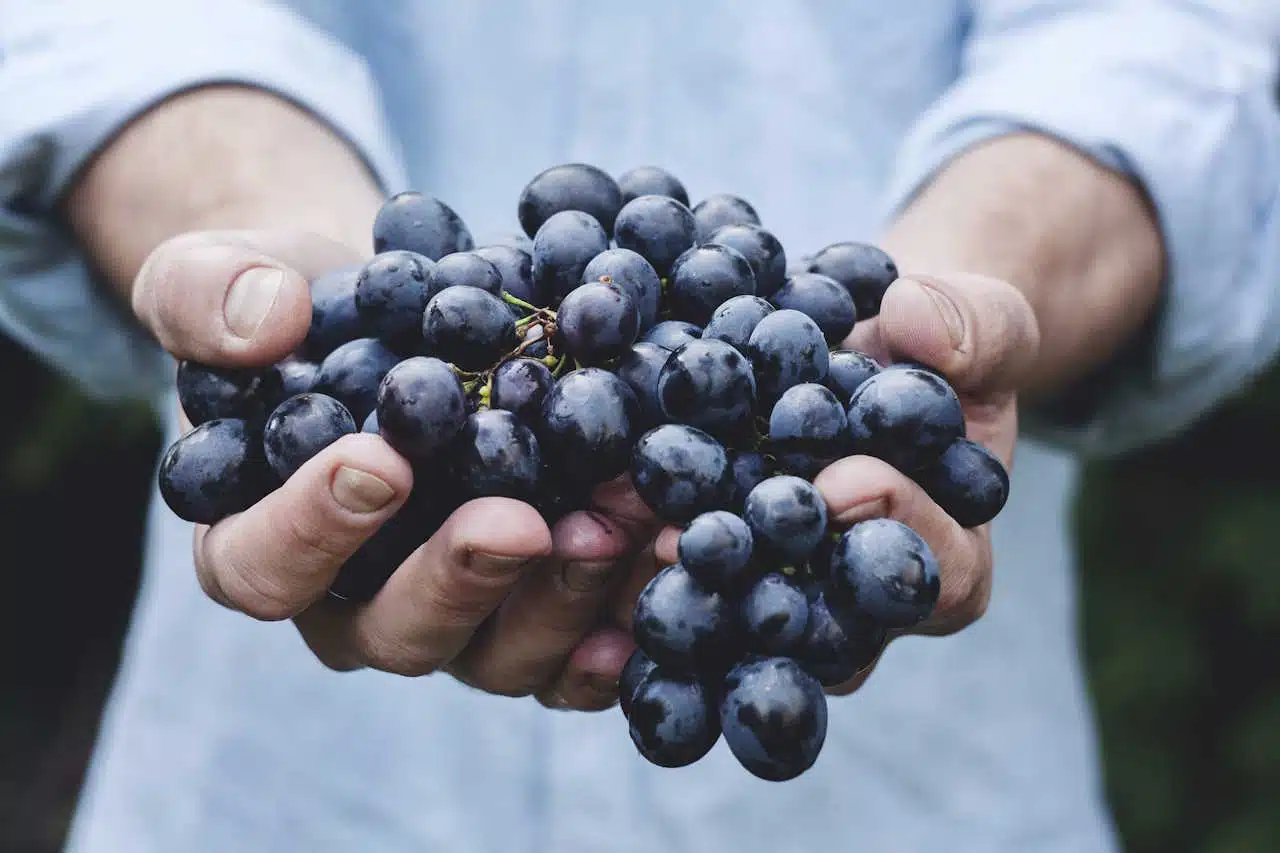
One of the distinctive features of the Roman Castles is the production of excellent wines. This region is famous for its fresh and aromatic white wines, including Frascati, Marino, Colli Albani, and Velletri. The vineyards extend on sunny slopes, creating an ideal ground for cultivating native grapes such as Malvasia, Trebbiano, and Bellone. The local wineries welcome visitors for tastings and guided tours, allowing them to discover the production process and enjoy the local wines.
The cuisine of the Roman Castles is rooted in agricultural and pastoral traditions. Here you can savor simple but tasty dishes, prepared with fresh and high-quality ingredients. Some traditional dishes include “porchetta,” a roasted pork stuffed with aromatic herbs, “cacio e pepe,” a pasta with pecorino cheese and black pepper. Fresh pasta is often handmade and dressed with simple but delicious sauces, such as fresh tomato and basil.
Local markets offer a variety of artisanal cheeses, cured meats, olives, freshly baked bread, and high-quality extra-virgin olive oil. Pecorino cheese, made with the milk of local sheep, is an absolute must for cheese lovers. The olive groves in the region produce high-quality extra-virgin olive oil.
Food and Wine Experience in the Roman Castles
For those who wish to have a complete food and wine experience in the Castelli Romani area, it is possible to participate in guided culinary tours, visit local wineries, and dine at traditional restaurants. This region offers a unique environment to immerse oneself in Italian gastronomic culture, with a variety of culinary experiences to please all palates.