a journey through the history of human civilization
As of 2026, Italy reaffirms its status as the country with the highest number of UNESCO World Heritage Sites, boasting 61 recognitions that attest to its cultural, historical, artistic, and natural value of universal significance. This primacy demonstrates how the Italian territory holds approximately 70% of the world’s cultural heritage, representing a widespread museum that spans millennia of history, from the rock art of the Mesolithic to the testimonies of contemporary architecture.
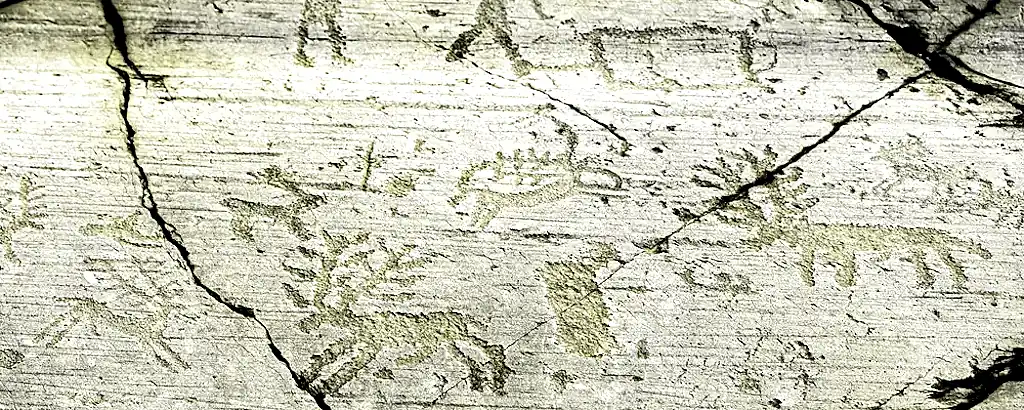
The first Italian site to enter the prestigious UNESCO list was, in 1979, the Rock Art of the Camonica Valley, paving the way for a journey of recognitions that spans the entire peninsula: from the Alps to the islands, from the historic centers of art cities to the cultural landscapes shaped by millennia of human intervention, from Etruscan and Roman testimonies to the masterpieces of the Renaissance and Baroque periods.
This heritage is not limited to the material dimension of buildings and monuments. In addition to the 55 cultural sites and 6 natural sites, Italy also boasts 21 elements inscribed on the Intangible Cultural Heritage List, vibrant expressions of traditions, artisanal knowledge, social practices, and rituals that continue to define the identity of local communities.
61 Sites of Universal Excellence
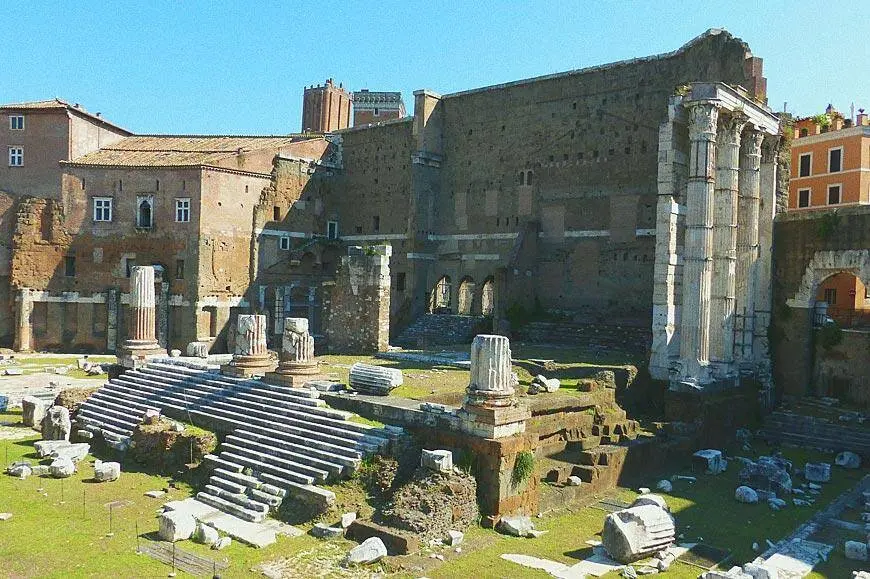
Rome – The Eternal City
The historical center of Rome, inscribed on the UNESCO World Heritage List since 1980 (with extensions in 1990), represents a unique layering of over 2,700 years of history. The city is home to the highest concentration of archaeological, historical, and architectural heritage in the world, ranging from remnants of ancient republican and imperial Rome (Colosseum, Roman Forum, Pantheon) to the Baroque masterpieces of Bernini and Borromini, with paleochristian basilicas and Renaissance palaces in between.
The site also includes the Vatican City, a sovereign state that houses St. Peter’s Basilica, the Vatican Museums with the Sistine Chapel painted by Michelangelo, and artistic works that have shaped the history of Western art.
Florence – Cradle of the Renaissance
The historical center of Florence (1982) embodies the creative genius of the Italian Renaissance. The city is home to architectural masterpieces such as the Cathedral of Santa Maria del Fiore with Brunelleschi’s dome, the Uffizi Gallery featuring works by Botticelli, Leonardo da Vinci, and Michelangelo, the Ponte Vecchio, and Palazzo Vecchio. Florence exemplifies how an entire city can transform into a collective work of art, where every palace, church, and square contributes to an exceptional aesthetic harmony.
Venice and its Lagoon
Venice (1987) represents a unique masterpiece of urban engineering and architecture, a city built on water that has dominated Mediterranean trade for centuries. The site encompasses the entire lagoon system with its 118 islands, showcasing an extraordinary relationship between humanity and nature. St. Mark’s Square, the Doge’s Palace, the Basilica with its Byzantine mosaics, and the Rialto Bridge are universally recognized symbols of Venetian civilization.
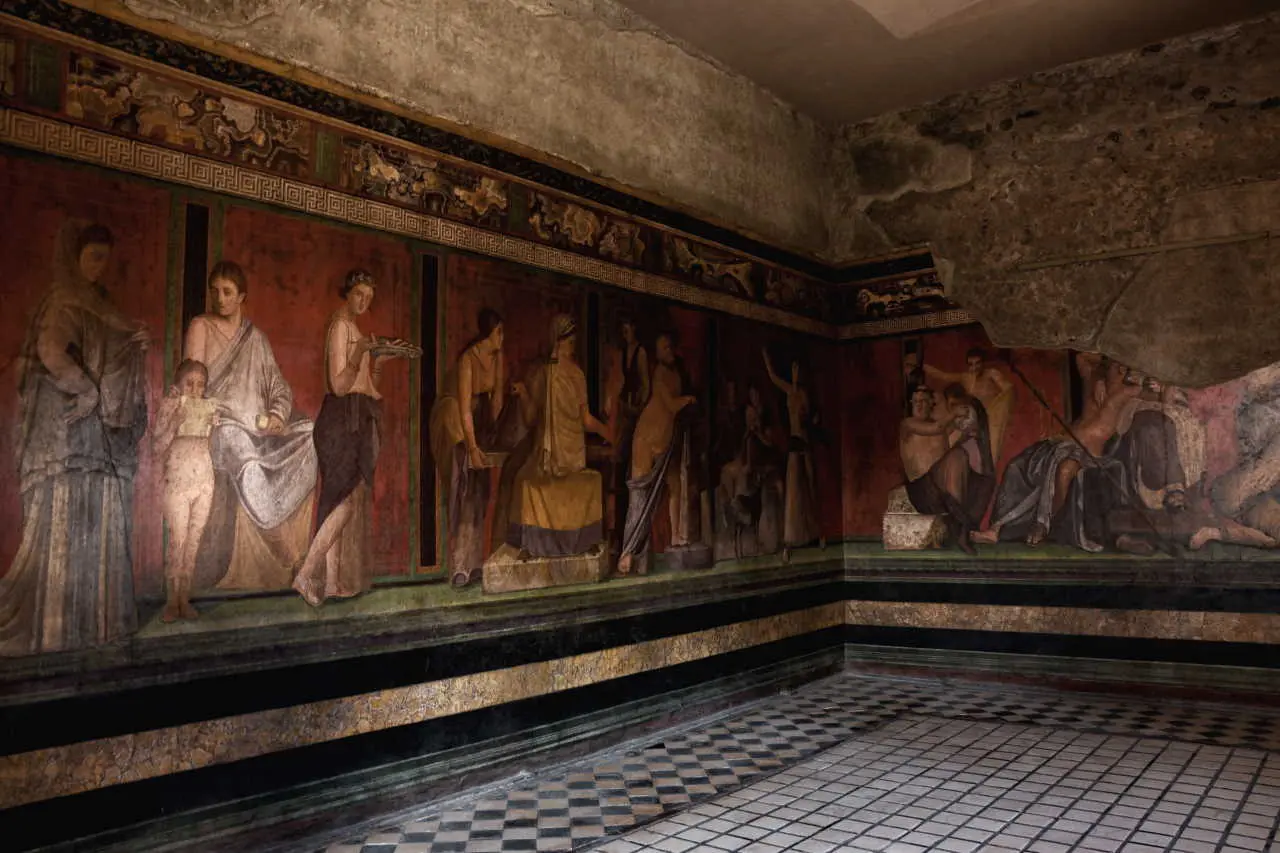
The archaeological sites of Pompeii, Herculaneum, and Torre Annunziata (1997) provide an extraordinary testimony to daily Roman life in the 1st century AD, preserved by the eruption of Vesuvius in 79 AD. The excavations reveal perfectly preserved homes, remarkable frescoes, mosaics, everyday objects, and even casts of the victims, allowing for an unprecedented understanding of imperial Roman society.
The Archaeological Park of the Valley of the Temples in Agrigento (1997) houses some of the most important and best-preserved Doric temples of the Greek world, a testament to the greatness of Akragas, the ancient Greek colony founded in the 6th century BC. The site spans over 1,300 hectares, with sacred buildings dedicated to Zeus, Hera, Concordia, and Hercules standing out against the Sicilian landscape.
Hadrian’s Villa in Tivoli (1999), the largest and most splendid Roman imperial residence, represents an architectural masterpiece created by Emperor Hadrian between 118 and 134 AD. The complex, which covers at least 120 hectares, recreates famous locations seen by the emperor during his travels (the Egyptian Canopus, the Athenian Academy), foreshadowing architectural solutions reminiscent of Roman Baroque.
The Etruscan Necropolises of Cerveteri and Tarquinia: The Pre-Roman Civilization (2004) are exceptional testimonies of Etruscan civilization, the only urban culture of pre-Roman Italy that developed between the 8th and 1st centuries BC. The Banditaccia Necropolis in Cerveteri, the largest in the ancient world, mirrors the urban planning of the city of the living with streets, squares, and neighborhoods. Tarquinia is famous for its 200 painted tombs, a unique testimony to pre-Roman classical painting in the Mediterranean.
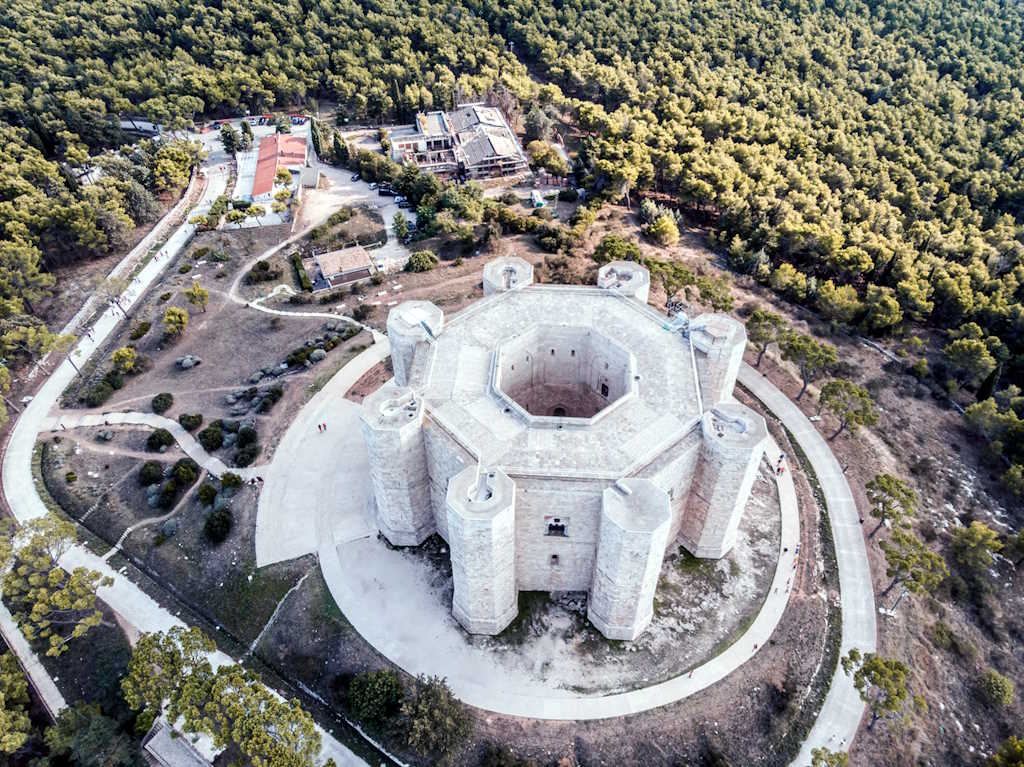
Castel del Monte (1996), commissioned by Frederick II of Swabia in the 13th century, is a unique masterpiece of medieval architecture, characterized by its perfect octagonal shape that reflects mathematical, astronomical, and philosophical knowledge.
The Trulli of Alberobello (1996) are dry-stone constructions with conical roofs, extraordinary examples of traditional Apulian building. This construction technique, dating back to prehistoric times and still in use today, demonstrates a perfect adaptation to the local environmental conditions.
The Sassi of Matera (1993) represent a rock settlement continuously inhabited since prehistoric times, a testimony to how humans have adapted nature to their needs by carving homes into limestone and creating a unique urban landscape.
The Royal Palace of Caserta with its park, the Carolino Aqueduct, and the San Leucio complex (1997) represents the peak of Italian Baroque architecture. With 1,200 rooms, 34 staircases, and 143 windows on a single facade, the palace commissioned by the Bourbons constitutes one of the grandest monumental complexes in Europe.
Assisi, the Basilica of San Francesco and other Franciscan sites (2000) represent not only artistic masterpieces with the frescoes of Giotto, Cimabue, and Simone Martini but also places of extraordinary spiritual importance that have spread the message of peace and brotherhood of Saint Francis throughout the world.
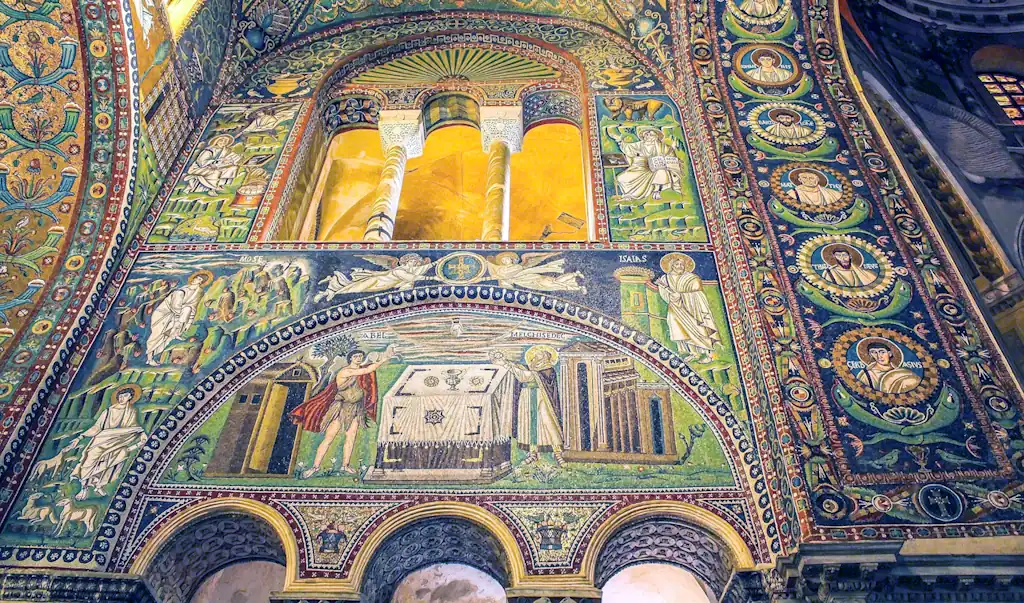
The Paleochristian Monuments of Ravenna (1996) house the most beautiful and well-preserved mosaics of paleochristian and Byzantine art, testifying to the period when Ravenna was the capital of the Western Roman Empire and later of the Byzantine Exarchate.
The Lombards in Italy. The places of power (568-774 A.D.) (2011) includes seven monumental complexes distributed from Lombardy to Apulia, testimonies of the Lombard cultural heritage that marked the transition from Antiquity to the Middle Ages, including the complex of Santa Giulia in Brescia and the Sanctuary of San Michele Arcangelo in Monte Sant’Angelo.
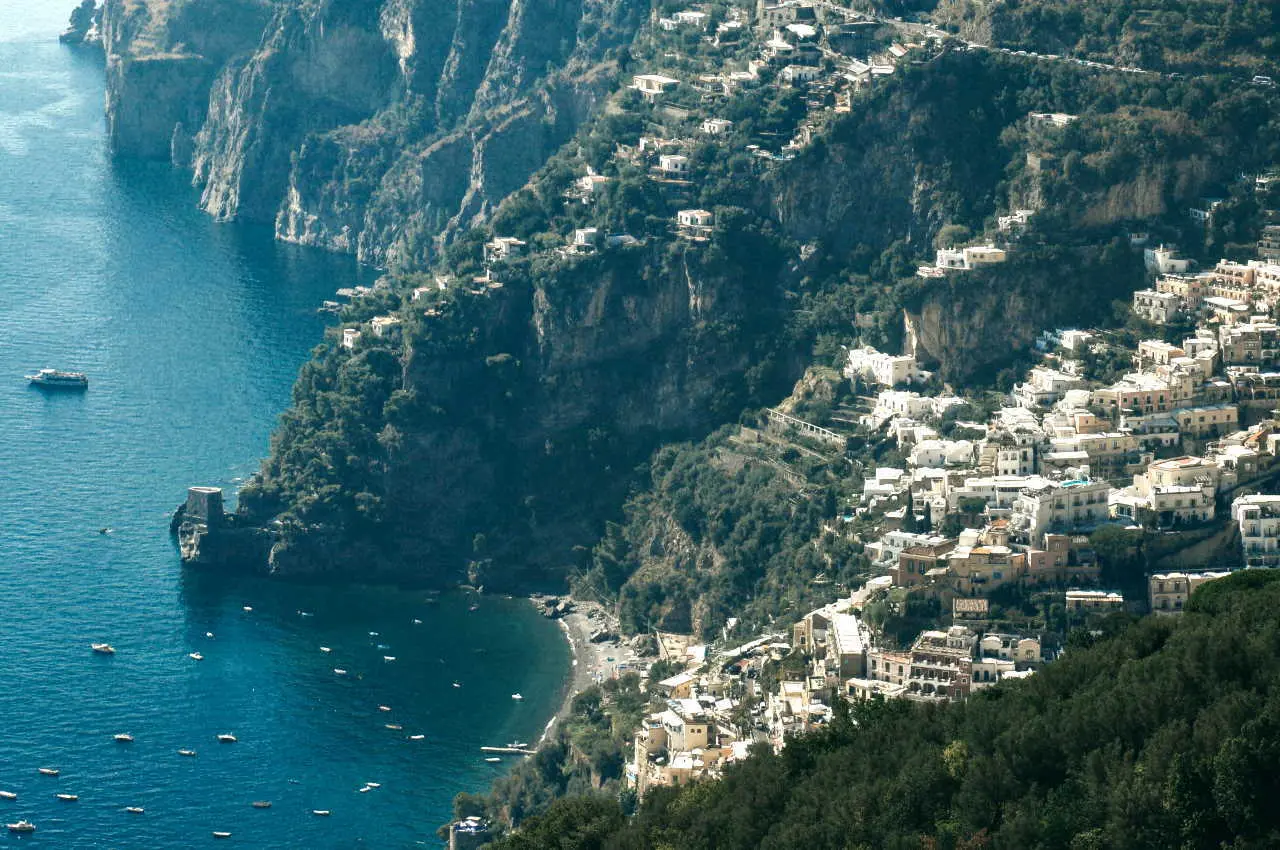
The Amalfi Coast (1997) represents an extraordinary Mediterranean cultural landscape of exceptional natural beauty, where human intervention has created terraced vineyards and orchards that harmoniously blend with historic villages such as Amalfi, Positano, and Ravello. The site includes twelve municipalities with evidence ranging from Roman villas to medieval architecture, from the majolica domes of Vietri to the goldsmith artifacts preserved in churches.
Portovenere, Cinque Terre, and the Islands (Palmaria, Tino, and Tinetto) (1997) constitute a cultural landscape of exceptional value where communities have shaped the territory by creating terraced vineyards on steep cliffs overlooking the sea.
The Val d’Orcia (2004) in Tuscany represents a perfect example of Renaissance landscape, shaped according to aesthetic principles that have influenced the very concept of “beautiful landscape” in the West. The gentle hills, cypress trees, and medieval villages like Pienza and Montalcino create a harmonious ensemble celebrated in art.
The Wine Landscapes of Piedmont: Langhe-Roero and Monferrato (2014) constitute a cultural landscape where the millennia-old viticulture has shaped the territory, creating hills cultivated with vineyards that produce world-renowned wines such as Barolo and Barbaresco. The site includes six distinct components: The Barolo region, the Castle of Grinzane Cavour, the Barbaresco Hills, Nizza Monferrato and Barbera, Canelli and Asti Spumante, and the Monferrato of Infernòt. The landscape testifies to a balanced relationship between man and nature, where tradition and innovation coexist harmoniously.
The Prosecco Hills of Conegliano and Valdobbiadene (2019) represent a unique cultural landscape characterized by the “hogback” geomorphological system (ridges), the ciglioni (small vineyards on narrow grassy terraces), and the mosaic landscape with villages nestled among vineyards and woods. The “bellussera” cultivation technique of the 19th century, which creates a vineyard resembling a gigantic beehive from above, requires exclusively manual viticulture.
The Villas and Gardens of the Medici in Tuscany (2013) include twelve villas and two ornamental gardens built between the 15th and 17th centuries, representing the first example of an harmonious connection between habitats, gardens, and the natural environment. These residences (including Villa di Careggi, Villa di Castello, Giardino di Boboli, Villa La Petraia) have served as a constant reference for princely residences throughout Europe.
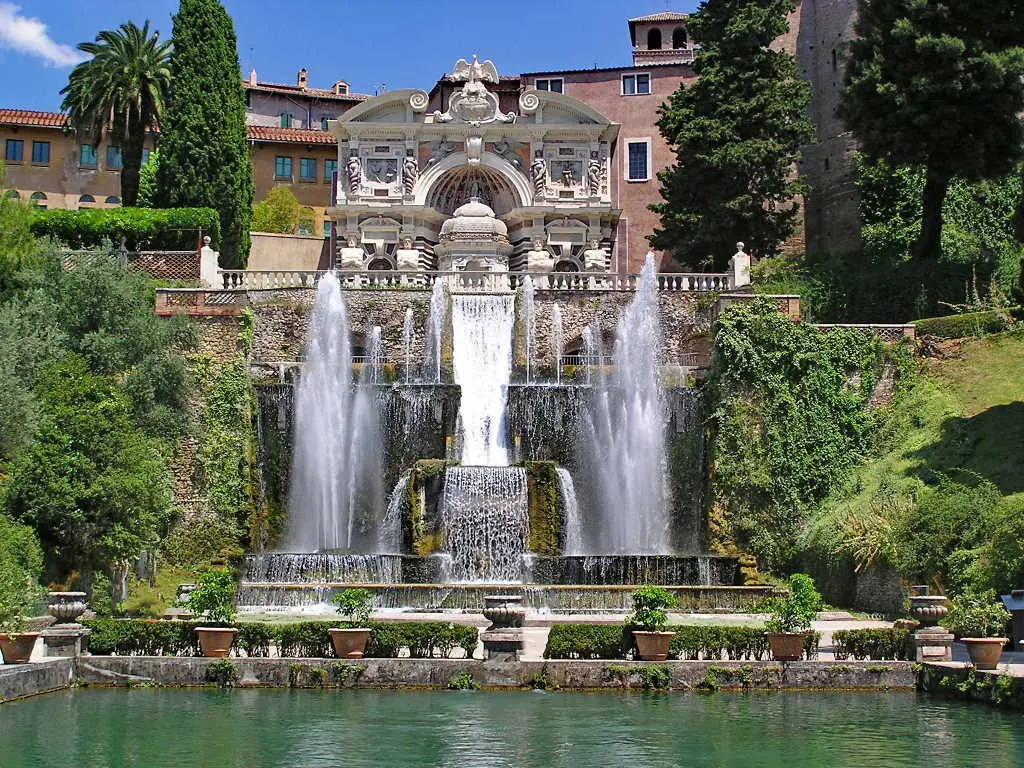
Villa d’Este in Tivoli (2001) exemplifies a masterpiece of the Italian Renaissance garden, famous for its countless fountains and water features that create a unique spectacle of hydraulic engineering and landscape artistry.
The Rock Art of the Camonica Valley (1979) was the very first Italian site recognized by UNESCO. In an area of 70 km, over 140,000 symbols and figures have been found engraved in the rock from the Neolithic period (about 8,000 years ago) to Roman times, representing scenes of hunting, agriculture, navigation, war, and magical rituals. The site showcases the cultural evolution of the Camuni over millennia, with its artistic peak reached during the Iron Age, to which 75% of the engravings belong.
The archaeological complex of Su Nuraxi di Barumini: The Megalithic Architecture of the Nuragic Civilization (1997) represents the most famous and best-preserved example of a nuraghe, a unique form of defensive prehistoric architecture that has no parallels anywhere else in the world. Located in central Sardinia, on a hill overlooking a vast and fertile plain at the foot of the Giara di Gesturi, the site attests to the presence of the Nuragic civilization for about 2,000 years, from the 2nd millennium BC to the 3rd century AD.
The Domus de Janas (2025) constitute the 61st and most recent Italian site inscribed on the UNESCO World Heritage List. The name “Domus de Janas” means in Sardinian “fairy houses” and derives from local popular mythology, according to which these caves were the dwellings of magical female creatures called janas. Popular belief has reinterpreted these structures, whose original function was actually funerary, in a fantastical light.

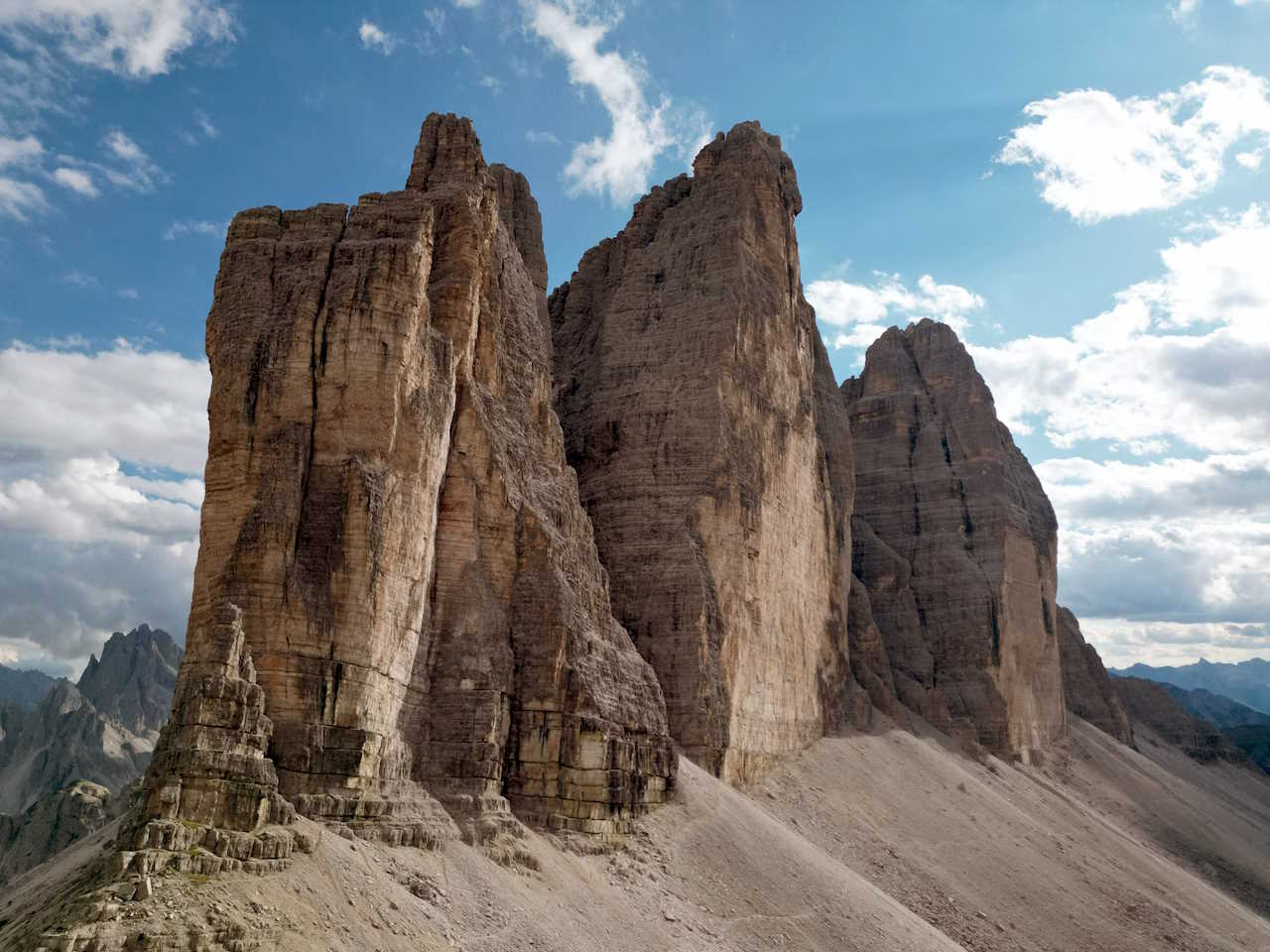
The Dolomites (2009) comprise nine mountain ranges in the Italian Alps, recognized for their extraordinary natural beauty and geological significance. The “Pale Mountains,” formed from dolomitic rock dating back to the Triassic period (over 200 million years ago), showcase spectacular landscapes with jagged peaks exceeding 3,000 meters, the phenomenon of Enrosadira (when the walls glow pink at sunset), and exceptional biodiversity with endemic species of flora and fauna. The nine groups include Pelmo and Croda da Lago, Marmolada, Pale di San Martino, Northern Dolomites, Puez-Odle, Sciliar-Catinaccio-Latemar, Dolomiti di Brenta, and Bletterbach.
The Eolian Islands (2000) – Lipari, Vulcano, Salina, Stromboli, Filicudi, Alicudi, and Panarea – serve as a natural laboratory for the study of volcanic phenomena, providing examples of two types of eruptions (vulcanian and strombolian) that have enriched modern volcanology.
Mount Etna (2013), the highest active volcano in Europe at 3,350 meters, is recognized for its scientific and geological importance, reflecting volcanic processes that have influenced the natural and human history of the region.
Arab-Norman Palermo and the Cathedrals of Cefalù and Monreale (2015) includes nine monuments (two palaces, three churches, three cathedrals, and a bridge) that testify to the extraordinary cultural syncretism of the Norman Kingdom of Sicily (1130-1194), where Muslims, Byzantines, Latins, and Jews lived peacefully together. The Royal Palace with the Palatine Chapel, the Cathedral of Palermo, the Duomo of Monreale with its Byzantine mosaics, the Duomo of Cefalù, and the Zisa represent an exceptional blend of Western, Islamic, and Byzantine architectural and decorative styles.
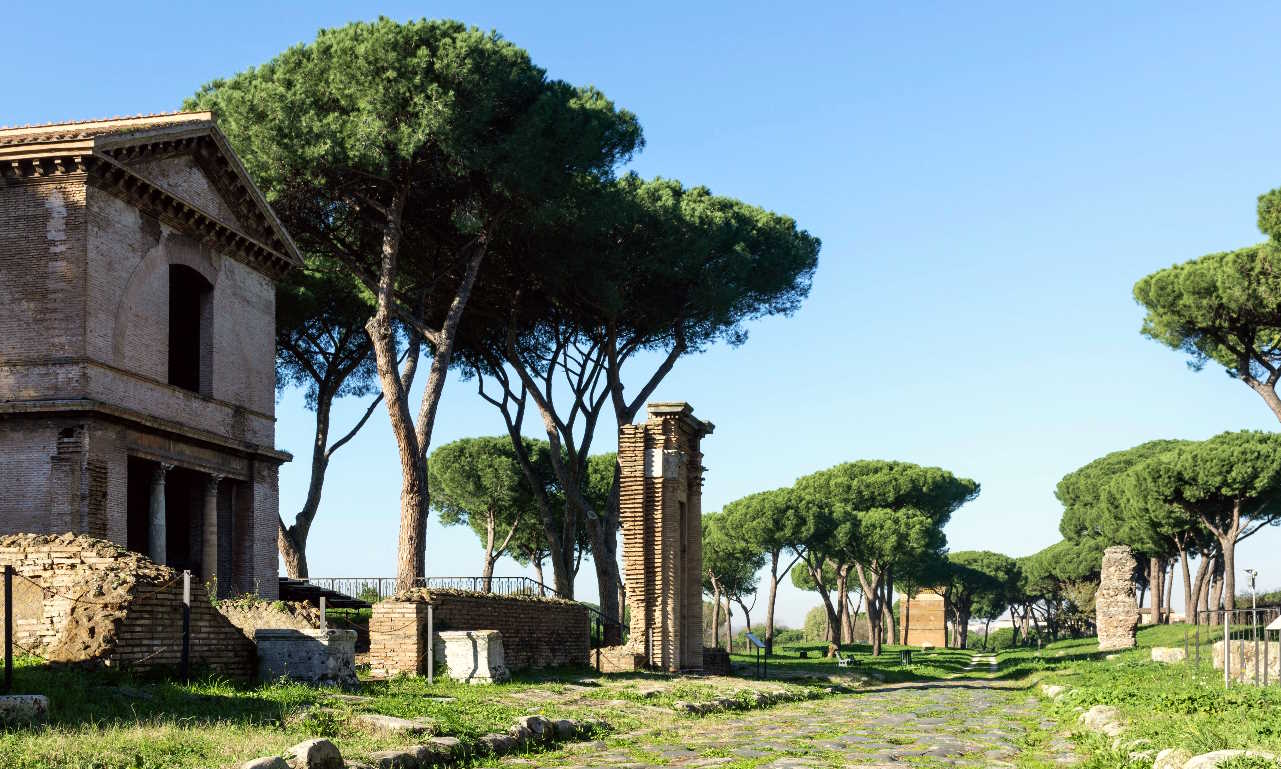
Via Appia. Queen of Roads (2024) is the latest Italian site recognized, the 60th on the list. Designed in 312 B.C. by the censor Appius Claudius Caecus and later extended to Brindisi, the Appian Way was the first major Roman consular road, boasting over 2,300 years of history. The site, which spans 4,639 hectares across Lazio, Campania, Basilicata, and Puglia, includes the roadway, engineering works, funerary monuments, places of worship, settlements, and the Via Traiana (109 A.D.). It represents an extraordinary example of ancient engineering capable of illustrating a significant phase of human history.
The Italian UNESCO list includes numerous other sites of great value: Crespi d’Adda (a model workers’ village from the 19th century), Mantua and Sabbioneta (Renaissance cities), the Sacri Monti of Piedmont and Lombardy (complexes of chapels and sacred architectures integrating art and natural landscape), Syracuse and the Rock-cut Necropolises of Pantalica, Ferrara, City of the Renaissance, Urbino, Pienza, San Gimignano, Piazza del Duomo of Pisa, Verona, Padua Urbs Picta (the frescoes of the 14th century), the Porticoes of Bologna, and Ivrea, Industrial City of the 20th Century.
Rock Drawings in Valcamonica
Church and Dominican Convent of Santa Maria delle Grazie in Milan with “The Last Supper” by Leonardo da Vinci
Historic Centre of Rome, the Properties of the Holy See in that City Enjoying Extraterritorial Rights and San Paolo Fuori le Mura *
Historic Centre of Florence
Piazza del Duomo, Pisa
Venice and its Lagoon
Historic Centre of San Gimignano
The Sassi and the Park of the Rupestrian Churches of Matera
City of Vicenza and the Palladian Villas of the Veneto
Ferrara, City of the Renaissance, and its Po Delta 3
Historic Centre of Naples
Crespi d’Adda
Historic Centre of Siena
Early Christian Monuments of Ravenna
Historic Centre of the City of Pienza
Castel del Monte
The Trulli of Alberobello
Archaeological Area of Agrigento
Archaeological Areas of Pompei, Herculaneum and Torre Annunziata
Costiera Amalfitana
Portovenere, Cinque Terre, and the Islands (Palmaria, Tino and Tinetto)
Botanical Garden (Orto Botanico), Padua
18th-Century Royal Palace at Caserta with the Park, the Aqueduct of Vanvitelli, and the San Leucio Complex
Cathedral, Torre Civica and Piazza Grande, Modena
Residences of the Royal House of Savoy
Su Nuraxi di Barumini
Villa Romana del Casale
Cilento and Vallo di Diano National Park with the Archeological Sites of Paestum and Velia, and the Certosa di Padula
Historic Centre of Urbino
Archaeological Area and the Patriarchal Basilica of Aquileia
Villa Adriana (Tivoli)
Isole Eolie (Aeolian Islands)
City of Verona
Assisi, the Basilica of San Francesco and Other Franciscan Sites
Villa d’Este, Tivoli
Late Baroque Towns of the Val di Noto (South-Eastern Sicily)
Monte San Giorgio *
Sacri Monti of Piedmont and Lombardy
Val d’Orcia
Etruscan Necropolises of Cerveteri and Tarquinia
Syracuse and the Rocky Necropolis of Pantalica
Genoa: Le Strade Nuove and the system of the Palazzi dei Rolli
Ancient and Primeval Beech Forests of the Carpathians and Other Regions of Europe *
Mantua and Sabbioneta
Rhaetian Railway in the Albula / Bernina Landscapes *
The Dolomites
Longobards in Italy. Places of the Power (568-774 A.D.)
Prehistoric Pile Dwellings around the Alps *
Medici Villas and Gardens in Tuscany
Mount Etna
Vineyard Landscape of Piedmont: Langhe-Roero and Monferrato
Arab-Norman Palermo and the Cathedral Churches of Cefalú and Monreale
Venetian Works of Defence between the 16th and 17th Centuries: Stato da Terra – Western Stato da Mar *
Ivrea, industrial city of the 20th century
Le Colline del Prosecco di Conegliano e Valdobbiadene
Padua’s fourteenth-century fresco cycles
The Great Spa Towns of Europe *
The Porticoes of Bologna
Evaporitic Karst and Caves of Northern Apennines
Via Appia. Regina Viarum
Funerary Tradition in the Prehistory of Sardinia – The Domus de janas, Sardinia
The Italian UNESCO heritage represents a treasure of inestimable value that showcases Italy’s millennia-long ability to generate culture, art, and beauty. The 61 recognized material sites and 21 intangible elements are not only tourist attractions but primarily collective legacies to preserve and pass on to future generations.
This world-leading status carries a great responsibility: to protect, enhance, and sustainably manage a heritage that belongs to all of humanity. The challenges are numerous – from tourist overcrowding to the preservation of historic buildings, from safeguarding intangible traditions threatened by globalization to managing cultural landscapes balancing economic development and environmental protection.
However, as evidenced by the most recent recognitions (the Appian Way in 2024, Italian Cuisine in 2025), Italy continues to enhance its heritage, extending the very concept of cultural assets beyond traditional monuments to embrace historical roads, productive landscapes, culinary traditions, and artisanal knowledge. This integrated approach, which considers cultural heritage as a living ensemble of material and immaterial expressions inextricably linked to territories and communities, represents a model for global heritage conservation in the 21st century.
Visiting the Italian UNESCO sites means embarking on a journey through the history of human civilization, from prehistory to the present day, discovering how art, architecture, landscape, traditions, and knowledge intertwine in a unique heritage that continues to inspire and fascinate the entire world.
Create your personalized itinerary with AI, then let Argiletum Tour refine it for you. Our local experts will transform your digital inspiration into a tailor-made real experience, with exclusive private tours and a 10% DISCOUNT reserved for generator users.


